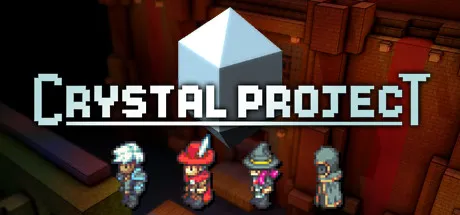
Support Platform:steam

Dive deeper into the vibrant world of Crystal Project with the Super Friendly Characters mod, a game-changing enhancement that redefines how you interact with allies and environments. This mod infuses life into every encounter by making Friendly NPCs a cornerstone of your journey, turning once-static villagers into dynamic companions who offer bonus quests, unique items like Home Point Stones, and cryptic clues to uncover hidden Crystals in regions like Pale Grotto. Imagine exploring lush forests and ancient ruins while your party members showcase smarter Character AI, automatically deploying healing spells or crowd-control tactics during intense battles against formidable foes like the Crag Demon, letting you focus on strategic decisions instead of micromanaging every move. The mod’s Party Synergy feature ensures your team flows seamlessly in combat, adapting to challenges with intuitive teamwork that mirrors the depth of a well-coordinated raid group. Designed for gamers who crave rich storytelling and smooth exploration, Super Friendly Characters tackles common frustrations by turning unresponsive townsfolk into helpful guides, simplifying party management, and adding layers of social interaction that make Sequoia’s lore feel alive. Whether you’re a casual player chasing the thrill of discovery or a narrative-driven adventurer soaking in every dialogue twist, this mod elevates your playthrough with smoother navigation, deeper immersion, and combat efficiency. Unlock secret areas effortlessly, bond with allies who feel like true companions, and conquer tough encounters with AI-driven precision—all while enjoying a JRPG experience tailored for modern expectations. Perfect for fans of open-world storytelling and cooperative gameplay, it’s the ultimate way to enhance your Crystal Project journey without breaking a sweat.
Crystal Project throws you into a sprawling Metroidvania-style world filled with tactical combat and resource management challenges, but what if you could tweak the experience to match your playstyle? Enter the Weak Enemy Characters mechanic, a game-changer that strategically scales down enemy health, attack power, and defense for a smoother journey through Sequoia’s vibrant landscapes. Whether you’re a newcomer getting wrecked by desert bosses or a seasoned adventurer prioritizing lore over grind, this system lets you dive into high-level zones early, experiment with wild class builds, and uncover hidden crystals without the frustration of constant party wipes. Players who’ve struggled with Crystal Project’s punishing difficulty curves and tight MP economy know the struggle: you’re hyped to explore ancient ruins or chase prophecy threads, only to get shut down by beefy foes. That’s where the Enemy Nerf twist shines—by dialing back stat reductions on enemies, you breeze through combat-heavy sections while still enjoying the game’s signature platforming puzzles and world-building depth. Imagine sniping rare loot from dangerous areas without worrying about defense modifiers or tanking damage from overleveled mobs. The Difficulty Modifier approach isn’t about breaking the game; it’s about rebalancing the challenge to fit your goals. Maybe you’re here for the story-driven quests, or perhaps you want to test unorthodox team comps without grinding for hours. This Stat Reduction feature turns hair-pulling boss fights into manageable showdowns and transforms tedious backtracking into a chance to appreciate environmental details. Crystal Project’s design thrives on player freedom, and using this mechanic unlocks creative paths through the world—whether you’re speedrunning the main story, farming crafting materials stress-free, or just vibing with the game’s art and music. For those who’ve rage-quit after their third wipe against a dungeon boss or gotten stuck farming upgrades just to survive, Weak Enemy Characters removes the roadblocks while keeping the adventure intact. It’s not cheating—it’s playing smart. So if you’re rocking a suboptimal class build, diving into endgame content early, or just prefer chill sessions over optimization marathons, this mechanic ensures you stay in the flow. Ready to reshape your Crystal Project journey? Check out our guides for more tips on conquering Sequoia’s toughest corners without breaking a sweat.
In Crystal Project, the Game Speed mechanic is your secret weapon to control the rhythm of battle and outmaneuver opponents. By cranking up your characters’ Speed stat, you’ll slash their Turn Time, letting them act quicker in tense turn-based fights—whether you’re stacking buffs like Sleep or Blind before enemies strike or ensuring healers keep the party alive in the Volcano Area’s punishing encounters. Gear like the Rogue Vest (+20 Speed) or Prodder (+12 Speed) lets you turbocharge agility for Assassins to land multiple hits or Clerics to counter devastating combos, while balancing trade-offs like defense or attack power with items such as the Quintar Pelt (+5 Speed). Players who’ve faced wipeouts from paralyzing counters in The Undercity or struggled with sluggish turn order against superbosses know that Speed isn’t just a number—it’s the key to chaining abilities like a Beatsmith’s debuff followed by an Assassin’s Backstab, ensuring your strategy hits like lightning. But watch out: enemies spamming The Immovable (-10% Speed) or Turtle Shell (-8 Speed) can derail your plans, making it critical to counteract debuffs with Speed-boosting relics. Whether you’re farming rare drops in Sequoia or perfecting your party’s synergy, prioritizing Game Speed transforms how you play, giving you the upper hand in every clash. Think fast, act faster—your squad’s Speed stat could be the difference between a flawless victory and a frustrating defeat.
In the sprawling world of Crystal Project, where tactical combat and unpredictable encounters define your journey, mastering max HP is your key to becoming an unstoppable force. This non-linear JRPG rewards players who prioritize durability without sacrificing playstyle flexibility, letting you craft characters that tank like bosses in Capital Sequoia or brute-force their way through Quintar Plains. Whether you're a seasoned tactician or a rookie diving into your first class selection, understanding HP growth mechanics and passive synergies can transform your party from fragile glass cannons into battle-hardened survivors. Dive into the Monk's infamous 20% HP boost or the Warrior's natural tanking prowess to create builds that laugh off AoE attacks and poison ticks, while Beastmaster's hybrid resilience lets you balance offense and defense like a true RPG veteran. The game's open-ended stat system encourages experimentation—pour levels into HP to beef up squishy Wizards or optimize hybrid roles, but don't forget to hunt down those hidden HP-boosting artifacts scattered across Sequoia's most treacherous zones. Players struggling with Crystal Project's notorious difficulty spikes will find salvation in max HP optimization, turning punishing boss gauntlets into confidence-building victories and letting exploration-focused runs thrive without constant retreat. Team compositions shine when tanks absorb threat with inflated health pools, creating space for damage dealers to unleash combos while passives like 'HP Boost' turn survivability into an art form. From chaotic arena fights to surprise elite enemy packs, high max HP gives you breathing room to execute strategies, chain heals, or counterattack with precision—no save-scumming required. Embrace the grind, experiment with hybrid builds, and let your characters' health bars grow as legends in this stat-driven RPG world.
For players diving into Crystal Project's magical world, maximizing your spellcaster's MP pool is the secret sauce to surviving epic battles and endless dungeon crawls. Let's face it – running dry mid-fight while your party scrambles for potions feels like getting a game over screen in solo mode. That's where Crystal Project's max MP system becomes your ultimate power move, letting you sling high-impact abilities without constantly farming mana-replenishing items. Whether you're maining a Summoner Class beastmaster or rocking a Scholar's spellbook, boosting magic points transforms your gameplay from survival mode to total domination. The Summoner's MP Boost passive alone feels like discovering a hidden boss drop, giving that sweet 20% buffer to keep your spectral buddies summoned through hellish encounters. Now imagine pairing that with the Rune Sword's +40 Max MP bonus from Castle Ramparts – it's like finding a glitch in the game's difficulty curve! Crystal Project veterans know the real struggle: grinding through Quintar Sanctum's trials only to hit a mana wall. That's why chasing Max MP Equipment rewards like the Circlet becomes your endgame obsession. But here's the pro tip – while stacking MP-boosting gear feels like hacking the system, watch out for cursed loot like Soul Keeper that'll tank your reserves faster than a fireball melts ice armor. Leveling up classes with natural MP scaling isn't just theorycrafting – it's how you build that mana tank everyone envies in co-op sessions. Think of max MP as your backstage pass to Crystal Project's toughest content: bossing around raid leaders with infinite healing combos, chaining area-of-effect spells like a magic missile typhoon, or soloing those 'impossible' elite mobs that used to require full parties. The real flex? When your mana meter becomes so absurdly inflated that you're laughing at the recommended gear checks on dungeon entrances. This isn't just about numbers – it's about freedom to play the game your way without inventory slots clogged by mana potions. Whether you're speedrunning with a glass cannon mage or building a dungeon-crawling healer that never breaks a sweat, optimizing your magic points turns Crystal Project's 'hard mode' into your personal playground. And let's be real – nothing feels better than watching your party's health bars stay perfectly green while the mana bar barely dips. That's the max MP magic making your fantasy RPG dreams come true.
Mastering Crystal Project's dynamic turn-based battles hinges on optimizing your characters' Action Points (AP) capacity to unlock devastating combos and strategic versatility. This JRPG's deep class system from Warriors to Monks demands smart AP management where boosting your maximum AP pool becomes critical for chaining high-cost abilities like Earth Split (14 AP) or maintaining crucial buffs through extended encounters. The community's favorite 'AP pumping' techniques let you break conventional turn limits, enabling mid-boss fight skill cascades that keep enemies staggered while your team synergizes perfectly. Whether you're navigating punishing endgame content or creating hybrid damage/support builds, enhancing AP reserves addresses those frustrating moments when your combo gets cut short by empty action bars. Smart AP boosting strategies let you experiment with multi-ability sequences that redefine battle pacing - imagine unleashing a Monk's full potential without worrying about AP drain or setting up Samurai crit chains that never hit a wall. Top players swear by max AP investments as the secret sauce for fluid combat execution, especially when coordinating party-wide abilities that require precise AP timing across multiple characters. From casual dungeon crawls to speedrunning leaderboards, expanding your action economy transforms how you approach Crystal Project's tactical challenges, turning resource scarcity into boundless creative possibilities. Proper AP management mastery separates good teams from legendary ones, letting you dictate fight tempo through relentless ability spamming that keeps opponents on defense while your buffs stack. The game's difficulty spikes become playgrounds for experimentation when your max AP allows fearless ability usage without the dreaded 'out of steam' scenario mid-combo. Dive into builds that blend offense and support seamlessly by first understanding how strategic AP pool expansion creates new layers of gameplay depth.
In the vast open realm of Crystal Project, ATK isn't just a stat—it's the heartbeat of every warrior's playstyle. Whether you're a sword-swinging bruiser carving through Sequoia's hordes or a precision archer shredding boss armor with pinpoint physical damage, this powerhouse modifier amplifies your destructive potential exponentially. Players chasing the perfect class build will find ATK optimization crucial for dominating both casual skirmishes and high-stakes raids where split-second damage-dealing can mean the difference between glory and respawning. The game's most aggressive archetypes like samurai slashers and beastmaster hunters thrive on stacking attack power through gear synergies, passive upgrades like 'Endless Fury' that let you chain devastating abilities, and strategic stat investments that reward relentless offense. Early-game struggles with sluggish physical damage output vanish when you embrace ATK-centric progression paths, transforming tedious enemy packs into satisfyingly quick clearances that keep your exploration momentum flowing. Savvy adventurers know that revisiting Capital Sequoia to reallocate stats toward attack power pays dividends when facing tanky bosses resistant to standard strikes. From reaper builds that melt armor with critical damage chains to valkyrie tanks dishing out punishment while holding aggro, maximizing this modifier creates gameplay moments that feel truly epic. Newcomers often underestimate how attack power interacts with class mechanics—monk players unleashing unarmed 'Brawler' combos or nomads stacking 'AP Focus' for bow mastery discover whole new dimensions of combat effectiveness. When time-limited encounters demand explosive physical damage spikes or party members rely on you to draw enemy hate, a finely-tuned attack power build ensures you're the unstoppable force everyone needs. Stop wrestling with underwhelming damage numbers and start experiencing Crystal Project's combat the way it's meant to be played—fast, furious, and gloriously overpowered. Your journey from mediocre melee to damage-dealing deity begins the moment you prioritize ATK in every gear choice and skill upgrade, creating a class build that turns every engagement into a masterclass of destruction. The sequoia wilds won't know what hit them when your physical damage curves break the charts.
In Crystal Project’s chaotic non-linear JRPG battles, Defense (DEF) emerges as the ultimate lifeline for players craving frontline durability and party stability. This core stat slashes incoming physical damage from enemy attacks, weapon skills, and savage boss combos, letting warriors, aegis tanks, and monks soak hits like true gaming legends. DEF isn’t just a number—it’s your ticket to surviving desert zone ambushes, outlasting punishing raid bosses, and creating openings for glass cannon spellcasters to unleash hell without fear. Players chasing that sweet spot between offense and defense know DEF’s multiplicative synergy with Vitality is where the magic happens, turning squishy builds into unbreakable shields. Ever watched your cleric panic as enemies shred through your team? Stack DEF early to empower your tank’s survivability and let healers breathe. Modifier-free optimization? Equip gear boosting DEF, master abilities like Defender Stance (25% damage reduction), and unlock Aegis’ White Knight protection to keep low-HP allies alive. Crystal Project’s hardest encounters demand players understand how DEF scales with class progression—newbies skipping this risk wipeouts, but veterans use it to dominate endgame content. Balance is key: overcommit to damage and you’ll crumble, but DEF-heavy roles like Warriors thrive as party anchors. Early-game DEF prioritization smooths out desert zone struggles and makes exploration less punishing, while late-game mastery transforms tanks into immortal juggernauts. Ready to stop the bleeding and start winning? Dive into Crystal Project’s DEF mechanics and build a party that laughs at physical damage. Your JRPG journey just got tankier.
Crystal Project players know that when you're diving into the thick of battle as a Warrior Monk or Brawler, stacking Strength isn't just a build choice—it's a lifestyle. This core stat doesn't just make your punches hurt more; it turns every melee strike into a defense-piercing nightmare for bosses and elite mobs while scaling the raw power behind game-changing abilities like Bruiser Crush and Thunder Chop. Whether you're grinding through Capital Sequoia's toughest encounters or coordinating party comps with your squad, prioritizing STR transforms your damage dealers into pure chaos incarnate against high-defense enemies. The real magic happens when you combine beefy Strength investments across multiple melee classes—imagine your Warrior's cleave tearing through tanky bosses while your Brawler ices squishier targets with physical damage so crisp it feels like butter. New players often ask how to optimize early game clears? Simple: dump those stat points into Strength and watch those trash mobs disintegrate before they can even swing back. Veteran players swear by balancing STR with Vitality for that perfect tank-nuke hybrid build that keeps your MP recovery smooth when running with support classes like Dervish. And let's not forget—while other stats might help you survive or cast spells, only Strength lets you dominate the meta by turning defense into irrelevance. Whether you're farming elite drops or pushing endgame content, this stat isn't just good—it's OP. Just remember to check those equipment vendors in Capital Sequoia for gear that stacks bonus points into this powerhouse stat. Crystal Project rewards those who embrace the grind, and nothing embodies that grind better than maxing out your Strength potential.
In Crystal Project's dynamic JRPG world, mastering Vitality (VIT) isn't just about surviving—it's about dominating the battlefield like a pro. This powerhouse stat multiplies your Defense, turning physical hits from brutal enemies into mere scratches while simultaneously shielding you from nasty status ailments like Poison and Burn that can derail even the tightest strategies. Whether you're tanking boss frenzy attacks in the Trial Caves or holding the line against swarming mobs in Rolling Quintar Fields, cranking up VIT transforms fragile heroes into ironclad anchors that let mages and healers unleash chaos without fear. The gaming community knows VIT as the ultimate 'tank stat' for building beefy frontline fighters who soak damage like a sponge and keep threat meters pegged, making party wipes a relic of the past. Newcomers might overlook it at first, but once you've weathered a boss's 200% damage enrage phase without flinching—or watched your healer finally breathe easy while you shrug off elemental curses—you'll realize why VIT is the backbone of every championship-winning party comp. From solo explorers navigating Sequoia's open zones to co-op teams chaining combos in tactical turn-based brawls, stacking VIT creates that sweet spot where mechanical mastery meets unshakable durability. No more rage-quitting because your glass cannon got shattered by a surprise Burn effect—VIT turns those frustration moments into 'how do you like these stats?' victories. Whether you're min-maxing your hybrid class build or just trying to keep your squad alive during marathon battles, this stat's multiplicative damage reduction and status mitigation make it the ultimate insurance policy against the game's toughest challenges.
Crystal Project players obsessed with turning every battle into a showcase of precision and power know DEX isn’t just another stat—it’s the secret sauce for unlocking explosive critical hit potential. Whether you’re farming loot from elite mobs or racing to beat personal bests in speedruns, boosting Dexterity transforms your character into a crit-chasing machine that melts even the tankiest foes. The game’s non-linear progression lets you chase DEX upgrades through gear, skill trees, or class combinations, creating builds that thrive on the razor’s edge between risk and reward. Imagine your Assassin slicing through boss health bars with crit chance stacking relics while dual-wielding daggers that multiply damage on every headshot—the thrill of watching enemy HP plummet in Crystal Project’s turn-based skirmishes is unmatched when DEX fuels your playstyle. Hardcore JRPG veterans swear by Dexterity-optimized characters for endgame content where split-second decisions and burst damage determine victory. From stacking crit damage modifiers in gear loadouts to synergizing abilities that trigger chain reactions on critical strikes, Crystal Project’s flexible system rewards deep investment in DEX mechanics. Players battling through punishing defense ratings or struggling to maintain tempo against shielded enemies find their groove by prioritizing this stat’s ability to bypass resistances and amplify burst potential. The community buzzes about DEX-centric strategies for good reason: in a game where tactical depth meets chaotic freedom, turning every attack into a potential game-changing crit keeps combat feeling fresh and electrifying. Whether you’re min-maxing for leaderboards or just enjoying the visceral satisfaction of landing perfect strikes, Crystal Project’s Dexterity system ensures your crit-focused ambitions hit harder when it matters most.
In Crystal Project, Agility (AGI) is the unsung hero that transforms your character into a battlefield maestro, blending razor-sharp accuracy with evasive prowess to keep you ahead of the competition. Whether you're a rogue weaving through enemy lines or a wizard surviving the chaos of late-game monsters, AGI elevates your gameplay by sharpening your ability to strike true and avoid devastating blows. Players chasing high evasion enemies know the frustration of wasted turns—AGI’s accuracy boost ensures your skills and spells connect when it matters most, turning the tide against pesky late-game bosses and their relentless dodges. Meanwhile, its evasion component keeps your party alive during intense raids, letting you sidestep those game-over moments that drain potions and patience. From optimizing damage-dealing builds to balancing team dynamics in Capital Sequoia, investing in AGI isn’t just about numbers—it’s about unlocking fluid combat efficiency where every movement feels intentional and every hit lands reliably. Gamers who’ve faced the agony of missed attacks or overwhelming damage chains swear by AGI’s power to reduce those heart-dropping scenarios, making it a cornerstone for both solo grinders and co-op squads. Whether you’re min-maxing a glass cannon rogue or beefing up a support class, stacking AGI through gear or respecs rewards you with smoother encounters and fewer 'almost' moments against high-evasion foes. Think of it as your secret weapon for dominating PvP duels, surviving boss spam mechanics, or simply ensuring your hard-earned strategies don’t crumble from a single dodge streak. Crystal Project veterans agree: mastering AGI means mastering the art of staying relevant in every fight.
In the immersive world of Crystal Project, Mind (MND) isn't just another number on your character sheet—it's the secret sauce that turns lackluster spells into game-breaking power plays. Whether you're maining a spell-slinging Wizard, a shadow-dancing Reaper, or a summon-centric Shaman, boosting MND ensures your magical arsenal hits harder and sticks longer against even the most stubborn foes. This stat supercharges Resistance Pierce, letting your hexes and elemental strikes slice through enemy magic defenses like a boss fight noob in sequoia armor. Players who've struggled with mid-game spell fizzles or watched their carefully crafted status effects evaporate against late-game tanks know the pain points all too well: without adequate MND investment, your glass cannon character becomes a firework show with wet fuse. The solution? Prioritize MND-focused character builds through smart gear choices and class progression to maintain dominance from newbie zones to endgame raids. Watch how your black magic suddenly melts through those resistance-packing superbosses, or how your sleep debuffs stop bouncing off elite mobs like bad loot rolls. For summoners relying on pet-based magic damage and control effects, MND is the difference between commanding respect and getting trashed by trash mobs. Savvy players already swear by MND stacking as the ultimate party balance hack—no more carrying teammates while your wizard spams healing spells instead of nukes. When the open world starts throwing curveballs like resistance-boosting environmental mechanics or boss shield phases, that's when your MND grind pays off like a rare drop in the auction house. From PvP mind games where 1% extra pierce means landing a clutch silence, to co-op runs where consistent damage matters more than loot RNG, this stat transforms your playstyle from 'meh' to 'magnificent'. Don't just cast spells—make them count with MND optimization that turns theorycraft into actual dominance.
If you’re diving into Crystal Project’s most punishing content like the Trial Caves or facing down elemental superbosses, mastering the Spirit stat (SPI) could be your secret weapon. Spirit isn’t just about tanking spell damage—it’s the backbone of any durable build, multiplying your Resistance to shrink the impact of magic-heavy attacks while supercharging healing effects like Regen and Chakra. For support-focused classes like Clerics keeping the party alive or Chemists juggling buffs, stacking Spirit ensures your heals hit harder and last longer when you’re caught in relentless AoE barrages. Tanks running Aegis builds swear by it too, using high Spirit to soak devastating magical strikes that would otherwise one-shot squishier allies. Imagine holding aggro on a fire-boosted Trial Cave boss while your team’s health stays steady through boosted Regen pulses—that’s the Spirit advantage. Players tackling extended encounters where mana management and survival are make-or-break know this stat turns near-death struggles into calculated victories. Whether you’re optimizing for endgame raids or building a self-sustaining solo playstyle, Spirit’s dual role in reducing magical punishment and extending healing uptime makes it a cornerstone for overcoming Crystal Project’s toughest challenges without burning through potions or wiping mid-fight.
Mastering SPD in Crystal Project isn't just about going fast—it's about rewriting the rules of combat. Speed isn't just a number on your gear; it's the secret sauce that slashes your Turn Time, letting your squad act before enemies even think about swinging. Imagine popping buffs before a boss charges its ultimate move or locking down threats before they hit the healer—yeah, that's the SPD magic. Whether you're a glass cannon Rogue who needs to unload damage or a Chemist keeping the party alive, optimizing Speed means owning the initiative in every fight. The game's tactical battles reward players who game the system: stacking SPD lets you chain debuffs, interrupt enemy combos, and dominate open-world exploration by zipping through Sequoia's platforming nightmares. But here's the catch—going full Speed demon might leave your tank squishy or your damage lacking. Balance is key, but when you nail it, you'll be laughing as enemies flail helplessly out of turn order. Bosses with delayed attacks? No problem when you're acting twice before they finish their wind-up. Party synergy feels OP when your Chemist spams buffs while the tank holds aggro. And let's not sleep on how faster Turn Time clears trash mobs, letting you grind gear or chase achievements without the frustration of endless combat loops. Newbs often underestimate how initiative snowballs—land that first strike to cripple a foe's defenses, then watch your team melt them down. The community knows the meta: Speed runners clear dungeons faster, PvP shredders dodge counters, and min-maxers flex their respec options from Capital Sequoia to tweak builds. Stop letting lagging stats hold you back; dive into how SPD transforms from a 'nice-to-have' to a game-breaking necessity. Whether you're farming resources or climbing leaderboards, controlling the tempo means controlling the win. Crunch the numbers, chase the grind, and let your characters move like lightning while opponents play catch-up. Crystal Project rewards those who master the clock—your squad's next big win starts with understanding how Speed fuels every clutch play.
Crystal Project throws you into a world where every dice roll matters and the JRPG combat system thrives on unpredictability. That's where the LCK stat becomes your secret weapon to shape RNG into something that works for you instead of against you. Whether you're building a glass cannon Rogue who needs those +500% Checkmate strikes to land consistently or a tanky Fencer soaking up punishment in Capital Sequoia's toughest zones, Luck transforms how your actions play out on the battlefield. Picture this: your Monk's Beat Down ability no longer swings between pitiful taps and earth-shattering blows thanks to stabilized damage variance, or your Cleric's poison clouds sticking like glue to keep enemies crippled. The game's infamous superbosses won't stand a chance when your critical builds reliably shred through their defenses while dodging incoming attacks with tanky grace. But here's the real kicker - Luck isn't just about flashy crits or dancing away from danger. It's about creating consistency in Crystal Project's wild combat playground where status effects determine victories and high-variance abilities can make or break your strategy. Players who've struggled with missed opportunities from shaky crit rates or watched their carefully laid control effects fizzle will find salvation in stacking this stat. From Warlock debuff chains that lock down enemies to Monk damage spikes that keep fights moving at lightning speed, investing in Luck through equipment choices or class paths turns frustrating moments into satisfying gameplay loops. This stat stabilizes your damage output while amplifying your ability to land those game-changing plays, making every battle feel more rewarding whether you're diving into Crystal Project's nonlinear story or grinding for that perfect build. Think of it as your insurance policy against chaotic RNG while keeping the excitement of devastating crit chains and clutch dodges alive - that's the power of understanding how Luck shapes your journey through this vibrant JRPG universe.
Crystal Project redefines non-linear JRPG gameplay by letting you take control of your adventure through seamless character level adjustments. Tired of farming endless battles just to unlock a class's core abilities? This game-changing mechanic lets you instantly boost your Warrior to level 50 for tank-crushing HP or max out your Wizard's magic arsenal without touching a single enemy. Whether you're crafting hybrid builds like Samurai-Ninja duos with Endless Fury and Dual Wield synergies or stress-testing your Cleric-Aegis combo's protective prowess, Crystal Project's flexible progression system empowers true build customization. Imagine skipping the boring stat-creep grind and diving straight into Sequoia's toughest challenges where enemy scaling matches your party's power curve - no more level-gated frustration. Hardcore tacticians can min-max Magic Power and Crit Resist thresholds while casual explorers breeze through content with pre-leveled companions. The system shines brightest when experimenting with unconventional class progression paths: need your Thief to dual-spec into Master Thief for evasion mastery? Just dial the numbers. Facing a superboss that requires specific stat thresholds? No sweat. This mechanic transforms the way you approach JRPG fundamentals - why waste hours on mandatory LP farming when you can focus on strategic depth and creative party composition? Crystal Project rewards players who want to optimize their journey, whether you're chasing the perfect balance between challenge and reward or building a glass cannon mage army. From endgame raids to hidden area explorations, this feature keeps your party Sequoia-ready while preserving the game's signature difficulty spikes. Gamers craving build experimentation without time sinks will love how Crystal Project prioritizes tactical freedom over traditional level gates, making every stat point and class choice feel impactful without the grind.
In Crystal Project, the non-linear JRPG that blends tactical depth with exploratory freedom, Experience Points (XP) act as the backbone of your party's progression. Efficient XP Gain isn't just about mindless button-mashing or farming random encounters—it's about leveraging smart enemy selection in zones like Rolling Quintar Fields or Shoudu Province, where every battle pushes your crew closer to unlocking the next tier of abilities. Whether you're prepping for the punishing Trial Caves bosses or navigating the stat thresholds required to survive the desert's harsh challenges, prioritizing XP Gain in key areas like Proving Meadows can mean the difference between a wipe and a crystal-hunting victory. The game's Level Cap might seem restrictive, especially for players craving endless stat inflation, but that's where Crystal Project flips the script: instead of brute-forcing your way through the endgame, you'll need to master class synergies and optimize buffs to compensate for slower Stat Scaling. This design forces you to think beyond traditional RPG tropes—no more stacking levels to outdamage enemies. Instead, you'll strategize which mobs to target based on their XP yield versus their difficulty, a mechanic that rewards tactical players who avoid overpowered (OP) foes early on. For those struggling with progression bottlenecks, the visible enemy system lets you cherry-pick fights that align with your current power level, ensuring your XP Gain remains consistent without soul-crushing repetition. Stat Scaling might plateau once you hit the Level Cap, but this is where Learning Points (LP) and class mastery shine, creating a dual-layer growth system that keeps combat fresh. Whether you're min-maxing your first playthrough or speedrunning through Capital Jail, understanding how XP Gain interacts with LP unlocks is crucial. Visit spots like the House of The Know-It-All Ducks in Capital Sequoia to refine your approach, or focus on hybrid farming routes that net both XP and LP. Crystal Project transforms what could be a grind-heavy mechanic into a playground for strategic minds, where every stat boost earned through XP Gain feels like a hard-fought win. Newcomers might initially panic about underleveled parties, but the game's design nudges you toward smarter progression—because here, it's not just about how high your stats climb, but how creatively you use them.
Crystal Project immerses players in the vast open world of Sequoia, where mastering the flow of Gold can mean the difference between survival and domination. As the game's core currency, Gold isn't just about flashy purchases—it's the backbone of your journey, whether you're grinding through enemy camps in Capital Sequoia or racing to breed the elusive Golden Quintar. The community buzzes about 'gold farming' tactics like targeting Sea Skimmers near Seaside Cliffs, where each battle rewards ~3.5 Gold, or exploiting Winged Ranchers in Chalice of Tar for 5 Gold one-hit kills. Meanwhile, 'gold sinks' lurk around every corner, from the Bazaar's gold-tier armor that makes bosses feel less intimidating to the pricey ferry routes unlocking hidden provinces like Shoudu. The ever-coveted Hand of Midas, dropped by Sequoia Tree bosses, transforms grinding into a frenzy with its 150% Gold boost—a must-have for players aiming to speedrun gear upgrades or max out their mount breeding operations. Reddit threads and Steam guides light up with debates about balancing Gold reserves: should you splurge on revival items for those heart-stopping combat moments or save for the Highland Quintar races that net 2 Gold every 20 seconds? Savvy adventurers know that early-game Gold scarcity isn't just a challenge—it's a puzzle waiting to be solved with smart farming spots and strategic spending. Whether you're prepping for a Crystal-guarding boss with armor polish upgrades or unlocking tactical shortcuts through paid services, Gold keeps your party moving forward. And when the grind feels relentless, the community's favorite trick is combining high-yield areas with the Hand of Midas effect to turn farming sessions into treasure troves. With the right approach, every coin becomes a step toward conquering Sequoia's mysteries while keeping your build optimized for what's next.
Crystal Project Mods: Hardcore Moves, Epic Tricks & Speed Upgrades
《水晶计划》全属性强化指南:红杉大陆骚操作解锁,敏捷暴击+防御穿透+金币增幅助你躺赢
Mods Crystal Project : Boostez Vos Stats & Découvrez l'Aventure Immersive
Crystal Project: Stat-Boost & epische Moves – Jetzt Sequoia meistern!
Mods Crystal Project: Stats Potenciados, Trucos Épicos y Combos Dinámicos
크리스탈 프로젝트 하드코어 조작 팁! 스토리 중심 모험과 전략적 스탯 조정 도구
クリスタルプロジェクトの最強ビルドを極める!ステータス調整とスキル連携でオープンワールドを制覇
Mods Crystal Project: Builds Táticos, XP de Chefes e HP Máximo!
塞奎亞大陸神裝備大解密!Crystal Project全屬性增幅黑科技讓戰鬥零壓力
Crystal Project: Моды для Силы, Ловкости и Тактики — Эпичные Трюки и Легкое Прохождение!
Crystal Project: أسرار تحسين شخصيات NPC الودودة - استكشاف عميق في عالم سيكويا المفتوح
Crystal Project: Mod Epiche per Build Creative e Sinergia Party in Battaglie Strategiche