Support Platform:steam

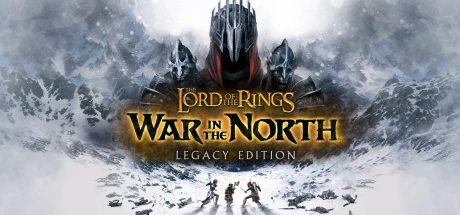
Step into The Lord of the Rings: War in the North Legacy Edition with a fearless run powered by Unlimited Health and a true god mode vibe. Your active hero stays locked at full vitality through every clash with Agandaur hordes, elite enemies, and massive boss encounters like the Stone Giant. That means you can swing, dash, cast, and counter without worrying about a sudden drop that breaks your rhythm. If you love building a smooth combat flow in the remastered co op experience, this Unlimited Health run lets you keep the pressure on while your immortal fellowship moves through Fornost ruins, Nordinbad, and the brutal North without pausing to drink potions. Imagine tanking Eradan melee combos, chaining Andriel AoE spells, and hot swapping to Farin for a shield bash without the fear of a downed ally. You can call Beleram the Great Eagle, jump through siege zones, and push through waves with a god mode confidence that turns tense moments into heroic highlights. Many players hit frustration when health potions run low, revive timers feel harsh, or one unlucky hit sends them back to a save point. Unlimited Health removes that stress and lets you experiment with builds, test risky combos, and enjoy the 60 FPS action with visible Health bars for the whole fellowship. Whether you play solo or bring friends into the online co op campaign, an immortal fellowship run feels more like a cinematic adventure than a punishment loop. The goal is simple, stay in the fight, keep the momentum, and make every encounter in The Lord of the Rings: War in the North Legacy Edition feel like your best moment in Middle Earth. With unlimited health, god mode style resilience, and an immortal fellowship that refuses to fall, you can focus on the story, the spectacle, and the satisfaction of crushing the North without the usual health grind.
Playing The Lord of the Rings War in the North Legacy Edition with Unlimited Team Health turns every raid into a smooth power fantasy where your whole fellowship stays locked at full team health and never drops to a scary red bar. Instead of chasing health regen from potions, waiting for Andriel to finish a heal, or panicking when an orc pack swarms Farin, you can keep the pressure on and let the squad move as one unbreakable unit. That is the kind of party survivability that makes coop runs feel less like babysitting AI allies and more like a cinematic charge through Mordor. You can hot swap Eradan, Andriel, and Farin whenever a boss combo comes in, because nobody is left crawling on the ground while you try to save them. Farin can hold aggro with his war cry, Andriel can keep the area glowing with support magic, and Eradan can pick off ranged enemies without the team losing momentum. It also fixes one of the biggest pain points in the game, which is watching your AI companions get downed in crowded fights and forcing you to kite enemies around the map. With Unlimited Team Health active, you can blitz through Seregost ambushes, push legendary difficulty bosses like Tharzog, and farm secrets without dying to a single stray arrow. The new visible health bars and Hero Mode combos feel even better when your entire party has that tanky, no downtime energy. Whether you are trying to clear a difficult section on the first try, replay the story with a different build, or enjoy a relaxed coop session with friends, this setup makes The Lord of the Rings War in the North Legacy Edition feel more powerful, more immersive, and way more replayable. It gives you the confidence to stay aggressive, chain executions across the entire fellowship, and keep pushing Witch King forces without constantly checking team health. If you want a smoother run, better party survivability, and a cleaner experience where health regen is never the bottleneck, this is the kind of quality of life boost that makes every fight feel like a victory lap.
Unlimited Mana is the kind of elixir that makes The Lord of the Rings: War in the North Legacy Edition feel like a pure spellcasting playground, because your Mana bar stays locked at max while Andriel the Elven Loremaster fires off lightning storms, barrier heals, and flashy magic without ever staring at a draining resource. If you have ever been mid combo meter and suddenly panicked because your spell energy dropped at the worst moment, this is the fix that lets you keep the pressure on orcs, trolls, and Agandaûr without pausing to hunt potions. It turns co op runs in Fornost, Carn Dûm, and the frozen northern war into smooth, high tempo fights where you can focus on positioning, team support, and landing clean combos instead of juggling cooldowns. The best part is how it pairs with Hero Mode, since you can stay in the aggressive flow state longer, chase down elite enemies, and still have enough magic to save the party when a boss throws a brutal telegraphed attack. You can spam AoE bursts to clear packs, swap to Eradan for ranged flanking, and keep the combo meter alive with confident spell chains that feel satisfying rather than stressful. It also removes the annoying low Mana moments that used to force risky dodges or awkward retreats, so your squad can push through hordes with confidence. Whether you are grinding a tough campaign, trying a speedrun style pace, or just enjoying the co op chaos with friends, Unlimited Mana keeps the magic flowing at full throttle. It gives Andriel a permanent support presence, lets the whole party rely on her without resource anxiety, and makes every spell feel like a reliable part of your build. That is why players who love fast paced action in The Lord of the Rings: War in the North Legacy Edition, deep combo meter management, and a little extra Hero Mode flair will find this setup especially fun. It is not about skipping the challenge, it is about removing the annoying friction so you can enjoy the fantasy, the combat rhythm, and the satisfying feeling of dominating a battlefield with endless spell energy.
Unlimited Team Mana in The Lord of the Rings: War in the North Legacy Edition keeps Eradan, Andriel, and Farin fully charged so your whole fellowship can chain spells, combos, and support moves without waiting for mana to refill. If you have ever been mid boss rush in Carn Dum or stuck in a crowded Fornost siege and felt your team resources drain at the worst moment, this setup is the kind of smooth flow every coop player wants. With infinite mana on the table, Andriel can keep her AoE bursts going while Eradan lands ranged strikes from a safe distance and Farin soaks pressure, letting you swap characters like a well tuned action squad instead of pausing to breathe. It is perfect for players who want to focus on the story, the Middle earth visuals, and the feeling of actually playing a fellowship, not a resource meter. Whether you are soloing hard difficulty, testing a new build, or dragging friends into a chaotic campaign run, the constant spell uptime makes fights feel faster, cleaner, and way more satisfying. You can keep pressure on enemies, reposition without fear, and land the combo that finally breaks a tough phase. The long tail search value here is simple, players looking for team mana, infinite mana, or better team resources in The Lord of the Rings War in the North Legacy Edition want a smoother coop experience where the party never stalls. This is especially useful in intense encounters where timing matters, because every second of downtime can turn a clean victory into a messy retry. With your mana pools staying full, the gameplay becomes more about your movement, your character swaps, and your love for the lore, not about waiting for a bar to fill. It turns high difficulty runs into a more immersive spectacle, keeps the fellowship feeling powerful, and makes those epic boss moments feel like the kind of campaign highlight you actually want to replay.
Unlimited Durability in The Lord of the Rings War in the North Legacy Edition is the kind of gear sustain dream every Northbound hero wants when orcs start swarming and the boss wave feels endless. If you have been grinding the game for a while you already know how annoying broken gear can feel. With infinite durability on every equipped weapon armor piece and accessory your loadout stays locked in top shape so no repair loops interrupt your run. That extra item break prevention keeps the action smooth whether you are soloing legend dives grinding ancient ruins or running coop sieges with friends who expect you to keep swapping Eradan Andriel and Farin without a single pause. Durability stress disappears fast when your bow does not snap mid aim your axe handle does not break under pressure and your armor keeps holding through Agandaur pushes. For players who love the game without the maintenance grind this shift turns inventory checks into background noise and lets you focus on positioning hero swaps strategy and keeping the Fellowship together. It also helps in high energy moments where you need steady performance from every piece of gear and you want less downtime between waves. The result is a smoother more immersive Middle earth experience where you can push harder explore deeper and keep your build intact while the North holds the line. If you have ever felt the mood kill when a favorite weapon starts degrading right before a tough fight this is the kind of perk that keeps the fun front and center. Unlimited Durability makes long sessions feel lighter because your gear stays reliable your inventory stays clean and your playstyle stays aggressive. Whether you are chasing a clean solo clear in The Lord of the Rings War in the North Legacy Edition testing a new hero combo or simply enjoying the brutal defense of the North with your crew this infinite durability vibe keeps the momentum going and leaves no repair stress behind.
Equip Any Class Equipment changes how you run The Lord of the Rings War in the North Legacy Edition by letting every companion in your hot swap party wear any class gear without worrying about locked class slots. That means you can finally stop hunting for the exact set piece you need when Eradan wants a Ranger Strike build, Farin needs War Cry tankiness, or Andriel is carrying the spell support role. With full class affinity, your AI allies get clean stat scaling and set bonuses the moment you equip them, so random loot from Uruk patrols, Troll ambushes, or Legacy Edition hot swap runs can turn into optimized loadouts instead of junk in your inventory. The practical value is huge for co op, because you can boost party DPS and survivability by up to 15 percent without spending hours on gear sourcing. Imagine swapping Farin into Dwarven Forge armor for a front line tank setup, then flipping Eradan into Elven Scout bow slots when the fight gets fast and chaotic. You can do that mid boss, mid encounter, or whenever the enemy wave starts to overwhelm your squad. This is the kind of quality of life flow that makes New Game Plus feel less like a grind and more like a smooth power fantasy. If you have ever been stuck with mismatched gear, watching your AI carry default junk, or trying to balance three different class kits while still keeping the party competitive, this is the fix that saves time and keeps the run feeling fair. It also helps you experiment with builds without fear of wasting rare drops, because you can test a Ranger, Warrior, or Mage style on any companion and see what fits your playstyle. For players who like fast paced co op, efficient boss fights, and a cleaner endgame loop, any class equips support turns gear sourcing into a fun puzzle rather than a chore. You can chase high impact loot, rotate your favorite loadouts, and keep your squad ready for every corner of the North. The result is a more responsive party, less inventory stress, and a smoother path through the Legacy Edition content with your friends or AI squad.
Game Speed gives The Lord of the Rings: War in the North Legacy Edition a much smoother run through the frozen north by pushing movement tempo, accelerated combos, and Hero Mode boost into a flow that feels like the fellowship is finally keeping up with the movie energy. When you are sprinting across snow fields near Fornost, dodging slow trolls, or clearing goblin camps that keep spawning in the same loop, the faster pace turns boring repetition into a satisfying sprint and makes every combo meter fill quicker so you can unleash those big damage moments without waiting around. For players who love the co op fantasy vibe but hate pacing that drags, Game Speed helps the party move as one, letting Farin, Andriel, and Eradan swap between melee bursts, ranged snipes, and flanking pressure while the Hero Mode boost arrives more often and keeps the shared power feeling active instead of locked away. It also works well during chase scenes, rescue missions with the great eagle, and long exploration routes where you only want to see the next area without replaying the same path for hours. The result is a more dynamic experience where heavy attacks carry extra momentum, enemy waves break faster, and the cold northern regions stop feeling like a grind. If your main pain point is slow combo buildup, sluggish traversal, or missing Hero Mode windows during tough fights, this Game Speed setup helps you stay in the action, maintain immersion, and enjoy the story with a fellowship that feels coordinated, powerful, and ready for the next epic encounter. It is the kind of quality of life feel that makes repeated farming, boss retries, and side quests less annoying, because the party stays responsive and the combat rhythm keeps you engaged instead of stuck in the same snowstorm loop. Whether you are chasing a perfect clear, trying to finish with the full fellowship, or just want to enjoy the lore without being punished by slow movement, Game Speed in The Lord of the Rings: War in the North Legacy Edition keeps the adventure moving with a punchier movement tempo, faster accelerated combos, and a Hero Mode boost that makes every shared ability feel like a real power spike.
Hey ring rangers, if you are chasing a smoother Current Experience in The Lord of the Rings: War in the North Legacy Edition, this is the kind of flow that makes your Exp Bar feel like a real fellowship fuel gauge. Instead of staring at a slow bar while the party pushes through another wave of enemies, you can keep your Leveling momentum alive and grab Skill Points at a pace that matches your combat rhythm. That means less waiting between fights, more time swapping heroes, and a cleaner path to the next power spike whether you are soloing a tough boss or carrying a coop squad through a packed siege. The best part is how it fits into the way you already play. You can push your Exp Bar during a chaotic melee, let the Leveling tick up while you dodge, then spend fresh Skill Points on the exact branch that matters most for your build. If you like Eradan style Evasion, you can lean into stealthy movement and burst damage. If you prefer Farin style War Cry, you can keep the frontline stable and make your party feel like a rolling wall. This also helps when you are grinding legends mode or trying to clear high tier content without the old grindy waiting game. Your Exp Bar becomes a reliable signal that progress is happening, your Leveling feels rewarding instead of repetitive, and your Skill Points arrive when you actually need them. For younger players who want fast feedback and for veterans who want a cleaner coop run, it keeps the focus on story, boss mechanics, and hero synergy instead of a stalled bar. You can use it mid fight during a tough Nordinbad style siege, let the party level up while the pressure is still on, then chain Evasion with Ranger Strike for a big damage window. In group play, it keeps everyone moving because no one has to pause the run just to wait for the next point. The result is a more confident Current Experience where Exp Bar, Leveling, and Skill Points all work together like a well tuned combat loop. If you want to feel the remastered classic at 60 FPS with full party skill control, this is the kind of setup that lets you dive back into epic battles without the bar crawling. It turns progression into part of the action, so you can chase the next power spike, test new builds, and keep the fellowship moving without losing the vibe.
Gold is the central currency in The Lord of the Rings: War in the North Legacy Edition, and if you want to stop feeling underpowered in every boss fight, making money through smart Loot Farming and gold farming can completely change your run. Instead of waiting for rare drops or begging the loot table for better armor, you can focus on enemy drops, chests, quest rewards, and selling surplus loot to build a steady stream of Gold that lets you buy upgraded weapons, armor, gear pieces, and repairs from merchants and blacksmiths. That makes the whole upgrade flow feel much smoother, especially when you are trying to keep Eradan, Andriel, and Farin healthy enough for heavy story moments and co op battles. In the early high impact scenarios of The Lord of the Rings: War in the North Legacy Edition, the Bree loot loop is a favorite because it lets you repeat a tight cycle, collect drops, sell what you do not need, and turn it into Gold fast enough to feel the difference within one play session. If you prefer a more regional rotation, Fornost also gives you a clean chance to farm the Gold mine chest after zone pressure, then hot swap the best pieces to your heroes before the next fight. This is where gold farming stops being a side activity and becomes the real answer to weak drops, bad loot balance, and that frustrating moment when your squad feels too fragile for the next area. Whether you search for make money, Loot Farming, or gold farming, the goal is the same, keep your characters strong enough to enjoy the dark war night of Middle earth without constantly worrying about gear checks. For players who follow older community threads, you may also see this called Geld verdienen or Goldfarmen, but the core idea is simple, use Gold to buy the upgrades you need, reduce random frustration, and keep the Legacy Edition co op experience feeling rewarding instead of punishing. When your heroes are properly equipped, fights feel more like a tactical challenge and less like a wall, which is exactly what makes The Lord of the Rings: War in the North Legacy Edition campaign more immersive and fun for a group of friends.
Leveling through The Lord of the Rings: War in the North Legacy Edition is way more fun when you understand Attribute Points, Stat Points, and Level Up Allocation before the first goblin ambush. Every time Eradan, Andriel, or Farin levels up, you get a small but mighty pool of Attribute Points, usually three per level, plus a skill point that can shape your whole run. That is where Level Up Allocation stops being a boring menu and becomes the real build planner. If you want a precision ranger feel, push Dexterity early so Eradan can thread arrows through Mirkwood goblin hordes, dodge faster, and keep ranged crits popping while the screen gets chaotic. If you are the one holding the party together in coop, Farin can lean into Stamina and Strength for a tanky melee champion who absorbs boss hits, keeps combos going, and makes Agandaûr lieutenants feel less like a wipe and more like a checkpoint. Andriel players can pour Will into spellcasting, mana sustain, and healing support, turning fog shrouded quests into survivable group fights with AoE utility that keeps everyone upright. The best part is that Stat Points are not just numbers. They change how the game feels. More health pools make early game squishiness disappear, better crits make Eradan feel like a bow spam machine, and stronger stamina lets Farin stay in the fight without constantly hiding behind barrels. If you have been stuck in a jack of all trades build where every hero feels average, this is the moment to commit to a style and let Level Up Allocation carry your fellowship. Whether you are grinding a hard run, chasing a clean coop clear, or just trying to make The Lord of the Rings: War in the North Legacy Edition feel smoother and more rewarding, smart Attribute Points choices can turn fragile early levels into a confident, repeatable build. Plan your allocation with your playstyle in mind, mix in the right skill points, and the difference shows fast in every goblin camp, boss arena, and dark forest encounter.
Skill Points in The Lord of the Rings: War in the North Legacy Edition are the bread and butter for players who want their hero to stop feeling like a walking target and start feeling like a true Fellowship carry. Whether you are rolling Eradan the Ranger, Andriel the Loremaster, or Farin the Champion, every point you bank can be poured into the tree that matches your vibe, your squad, and the boss you are about to face. That is why hot-swap synergy feels so good in coop, because you can shift between a stealthy flanker, a support healer, or a front line tank without waiting for a perfect respawn moment. In long cave crawls and brutal heroic difficulty runs, the right skill point spread can turn a panic moment into a clean wipe, especially when you pair hero mode boost with crowd control, damage spikes, and survivability perks. This is not just about looking flashy. It is about making your build actually work when the Uruk packs pile in, the Witch king lieutenants close in, and your friends are down on the ground. With respec flexibility, you can test a more aggressive Farin build, dial back into a safer Andriel support flow, or lean into Eradan evasion tricks without feeling locked into a mistake from early game. That respec flexibility keeps the run feeling fresh instead of grindy, and it helps you adapt to the North threats without wasting hours on a dead end build. If you have ever died to a cave in, missed a heal, or felt like your hero was too squishy for a boss phase, skill points are the answer. You can dump points into a single tree before a tough fight, save before the pressure spike, and come back with a sharper playstyle. In coop, hot-swap synergy lets the party cover gaps, while hero mode boost gives you those short windows where your damage and control feel unreal. The best part is that the system rewards smart choices, not just raw level numbers. You can build for stealth ambushes, tanky aggro play, fast healing, or burst damage, and still keep the Middle earth atmosphere intact. For players who want a smoother, more confident, and more fun experience in The Lord of the Rings: War in the North Legacy Edition, skill points are the upgrade that makes your hero feel like a legend instead of a liability.
Stamina is the kind of stat that makes The Lord of the Rings War in the North Legacy Edition feel like a proper tanking playground instead of a one hit wonder. When you start thinking about Stamina Allocation, you are basically telling the game that you want a bigger Health Pool, a thicker Physical Defense rating, and a Survival Breakpoint that gives you enough breathing room to finish the combo instead of flashing a death screen. That is huge when you are facing elite orcs, trolls, Witch King lieutenants, or any of those chaotic boss rushes where one bad dodge can wipe the whole party. With more health under your belt, you can stay on Farin while he taunts, swap to Eradan for ranged pressure, or pop Andriel for heals without feeling like every hit is a personal insult. It also makes exploration across Middle earth feel less stressful because you can clear dense orc packs in the Ettenmoors, test risky maneuvers, and still have enough buffer to survive when the fight turns ugly. For younger players who want that confident survivor energy, Stamina turns fragile support moments into comeback plays and makes hero mode feel like a safe window instead of a desperate gamble. The best part is that it fits naturally into how the Legacy Edition hot swap system works. You do not need to panic when your bar starts dropping, because your Physical Defense and Health Pool are doing the heavy lifting while you wait for the right swap. If you have been getting one shot by elite packs or dropping during long runs because you ignored defense, this is the fix that actually feels satisfying. You get to play with more confidence, keep the party alive longer, and chase those tough fights without constantly reloading a save. It is the kind of build choice that rewards you every time you step into a crowded battlefield, and it keeps the whole run feeling smooth, aggressive, and way more fun.
Looking for a smoother grind in The Lord of the Rings: War in the North Legacy Edition? Dexterity is the kind of North run boost that makes your character feel sharper without turning the whole game into a numbers spreadsheet. It pushes base Defense upward and speeds up skill learning, so you can chase Mastery faster, keep your DI build alive, and turn Ironforge Intelligence into a reliable part of your loop instead of a side quest you only remember when a boss punishes you. That matters because the North can get noisy fast, and when your Defense is solid, you have more room to experiment with gear, positioning, and the little choices that separate a fun farming session from a frustrating one. With Dexterity, Efficiency stops feeling like a theory and starts showing up in real time: faster clears, cleaner pulls, better resource management, and less time staring at screens waiting for something to tick. If you have been trying to make your Ironforge Mastery path feel less expensive and less dependent on rare materials, this is a clean way to improve the rhythm of combat. You still need to play well, but the pressure is lower, the feedback is quicker, and the game feels more like a satisfying progression loop than a tax on your patience. For players who like a DI focused playstyle, Dexterity also helps you stay competitive while you level skills, because learning speed is one of those quiet advantages that compounds every time you fight. It can make a difference in short bursts, long farming runs, and those moments when you want to push a little harder without overextending. The best part is that it fits naturally into the fantasy vibe of The Lord of the Rings: War in the North Legacy Edition: you are not just chasing raw stats, you are building a character that feels more resilient, more responsive, and more ready for the North. If your goal is to make Ironforge Mastery feel smoother, keep your Efficiency high, and enjoy a DI setup that does not drain your wallet or your sanity, Dexterity is a strong way to get there.
If you are grinding through The Lord of the Rings: War in the North Legacy Edition and want Andriel to feel like a true spell machine, Will is the stat that turns her from a cute wizard into a party saving force. More Will means bigger magical power on every staff swing, a noticeable spell potency bump on Wizard's Fire, and a healing boost that keeps your fellowship standing when elite enemies start stacking. This is the kind of build that makes co op runs feel smoother, because your mana pool grows, your support spells hit harder, and your alchemy potions become way more useful when the AI starts doing dumb stuff in Rivendell or Mount Gundabad. Imagine hot swapping to Andriel mid boss, dumping a full Hero Mode combo, raining down Will scaled AoE, then popping Sanctuary for the group while still dealing support damage without feeling like you are one bad roll from a mana drought. That is the vibe. It also fixes those annoying moments where your companions drain resources, die too fast, or just cannot keep up with the pacing, so you can focus on epic moments instead of babysitting the roster. If you love caster builds, Will is the core fuel that makes your magical power feel responsive, your spell potency feel dangerous, and your healing boost feel like a real safety net in long battles. It helps solo players survive open world packs, keeps co op squads from melting on tough encounters, and gives Andriel enough presence to matter even when the party is low on resources. If you want a more relaxed but still powerful run, this Will focused approach is a great way to enjoy the game without overthinking every upgrade. You get stronger magic, better sustain, and a smoother experience across Rivendell, Gundabad, and the final push, all while keeping the fellowship alive through hot swaps, long fights, and those chaotic moments when the AI needs a little extra help. If you are searching for a The Lord of the Rings: War in the North Legacy Edition build that leans into Magical Power, Spell Potency, and Healing Boost, Will is the easy answer that makes Andriel feel like the carry she was always meant to be.
Strength is the stat that makes The Lord of the Rings: War in the North Legacy Edition feel like a proper action game when you want your hero to hit hard, stay alive, and keep the pressure on. Every point of Strength adds flat Health and Armor while pushing your melee damage and physical scaling into a range that feels satisfying in every swing, strike, and heavy hit. For a fighter archetype build, this is the core number that turns a normal hero into a front line presence who can stagger Uruks, tank boss pressure, and keep the party moving through dense enemy packs. If you play Farin the Dwarf Champion with two handed axes, Strength makes his cleave patterns hit like a wrecking ball, while Eradan can still use sword and shield combos with more punch and better control. Andriel benefits too when you want a balanced hero who can survive longer and contribute real damage without feeling fragile. The best part is how Strength changes the rhythm of co op play. You can drop into a Mount Gundabad raid, spam War Cry into Battle Fury, and use crushing blows or shield charges to lock down captains for a few seconds. That creates clean windows to hot swap to another hero, flank a boss, or clean up adds without the squad falling apart. In tough moments like the Seregost ambush, a hero loaded with Strength can hold aggro while your other characters focus fire, turning a chaotic pull into a controlled burst. This is especially useful when the original AI can make waves feel overwhelming, because a stronger front line gives the party more time to react, reposition, and land the right ability. When your melee damage is high enough, fights stop feeling like you are swinging wet noodles and start feeling like a cinematic Middle earth moment. Strength also supports physical scaling for builds that rely on heavy attacks, stagger, and durability, so you do not have to choose between surviving and dealing damage. Whether you want a tanky fighter archetype, a bruiser who can clear rooms, or a hero who can carry a squad through difficulty spikes, this stat gives you the confidence to push into harder content and enjoy the Legacy Edition experience with more momentum and less frustration. That is what makes The Lord of the Rings: War in the North Legacy Edition feel smoother when your hero has the numbers to back up the style.
Selected Equipment Value in The Lord of the Rings: War in the North Legacy Edition is the kind of loadout tweak that makes your Dwarf Armor build feel like a full on aggro machine instead of a squishy hero who dies before the Uruk horde even finishes charging. If you are chasing War-cry, Dwarf Armor, and Taunt synergy, this setup helps you lock in the frontline identity you want before the fight gets ugly, so you can stay in the thick of melee chaos without constantly swapping gear or losing your tanking rhythm. The best part is how it fits the way players actually play the game, because you can keep your Champion or Farin around the party, pump out War-cry to spike armor, health, and melee damage, then drop Taunt on the biggest threat while your allies unload damage behind you. That combo is huge for boss fights, horde waves, and those brutal moments where the AI starts stacking mobs on your backline and the screen turns into a red aggro mess. With Selected Equipment Value you can keep Dwarf Armor as your core survivability anchor, then layer War-cry upgrades for that extra burst of defense and retaliation feel, making every hit you take look more like a punishment window for the enemy pack. It also helps with Taunt timing, because you are not scrambling through menus when a boss is about to one shot your mage, you are already set up to pull aggro, survive the swing, and turn the fight back into your favor. For players who love tanking, crowd control, and keeping the party alive in Hero Mode, this kind of equipment value focus is a clean way to make War-cry, Dwarf Armor, and Taunt feel connected instead of scattered across different heroes. It gives you a more consistent frontline, less panic, and a smoother path through tough encounters in The Lord of the Rings: War in the North Legacy Edition. If your goal is to stop getting overwhelmed by large packs, hold space for your DPS, and make every Dwarf Armor build feel sturdier, then this Selected Equipment Value approach is a great way to get War-cry and Taunt working together like a proper tank kit. It is less about flashy damage and more about staying alive, controlling the fight, and making the enemies come to you, which is exactly what you want when the battle is about to get messy.
Imagine midboss chaos in The Lord of the Rings War in the North Legacy Edition where your favorite sword is flashing red and your shield is about to shatter while Uruk hordes close in. That is exactly where Selected Equipment Durability becomes a game changing quality of life choice for players who want to keep the momentum alive. Instead of pausing, hunting a blacksmith, or losing your build rhythm, you can pick a piece of equipment and keep its durability feeling fresh through the most intense parts of a run. For fans who love chaining Farin tanking, Eradan ranged bursts, or switching heroes between waves, this setup helps your gear stay reliable when the pressure is on. The biggest appeal is simple. You choose the equipment you care about most, then the durability concern fades into the background. That means less stress during heroic quests, co op raids, or long campaign pushes where one broken weapon can ruin a perfect combo. It also makes repair feel less like a chore and more like a background detail, so you can focus on positioning, loot, secrets, and the cinematic Middle earth action that made the game a favorite. Durability is one of those small systems that can quietly wreck your flow if ignored. A cracked blade, dented armor, or failing bow can make you hesitate right when you need to commit to a kill. With Selected Equipment Durability in your rotation, that hesitation disappears. You can keep your chosen equipment sharp and ready while the rest of your loadout handles the grind. This is especially useful when you are chasing rare drops, testing different hero styles, or trying to clear a tough section without stopping for maintenance. Repair is also where this shines. Rather than treating repair as a penalty after every brutal encounter, you can keep your selected piece in a state that supports aggressive play. That helps when you are tanking hits, dodging traps, or holding a choke point against waves. It also makes equipment choice more strategic because you can protect the item that carries your build while still experimenting with other weapons and armor sets. For players who want a smoother War in the North Legacy Edition experience, this durability friendly approach turns frustrating downtime into continuous action. It keeps your fellowship feeling powerful, your gear looking dependable, and your playstyle consistent from the first wave to the final boss. If you are tired of gear breaking at the worst moment, this is a clean way to stay in the fight and enjoy the epic Middle earth action without worrying about maintenance every few minutes.
Selected Equipment Durability Max is the kind of quality of life upgrade that makes The Lord of the Rings: War in the North Legacy Edition feel smoother from the first boss to the final dungeon crawl. When your weapons, armor, shields, and party items start losing durability from constant hits, blocks, and heavy use, this Equipment Max style effect instantly restores your Selected Gear to full condition, so you can keep swinging, shooting, and casting without stopping for annoying repairs. Durability Max is especially helpful in high intensity co op runs where every piece of gear gets hammered, because it keeps your build online and your stats stable while you are deep in combat. Imagine jumping into Carn Dum or Fornost with Eradan, Farin, and Andriel ready to fight, then popping Selected Equipment Durability Max before the fight gets ugly so your bow, axe, staff, and armor all stay at peak performance. It removes the frustration of gear breaking mid combo, losing damage because of worn items, or wasting time at a blacksmith when the action is still going. For players who like hot swapping between builds, this Selected Gear boost is a game changer, since it lets you trust that your equipped loadout will not fall apart after a few waves of enemies. Durability Max also works well for speed focused runs, hard mode style challenges, and co op sessions where the party is taking damage from every direction. You can keep your favorite weapons sharp, your shields solid, and your armor reliable while still chasing the best loot and most epic moments in Middle earth. The result is a cleaner playstyle with less inventory stress, more confidence in every encounter, and a smoother flow from one battle to the next. If you have ever been forced to stop because your gear was about to break, you will understand why Equipment Max and Selected Equipment Durability Max feel so satisfying. It keeps the focus on boss fights, loot drops, and team synergy instead of repair gold, durability warnings, and half power weapons. In The Lord of the Rings: War in the North Legacy Edition, this kind of durability support can turn a stressful run into a much more fun and polished experience, especially when you want to experiment with different characters, weapons, and party setups without worrying about your gear falling apart.
Hey fellow ranger in the snowy wilds of Middle earth, if your build in The Lord of the Rings: War in the North Legacy Edition keeps getting held back by gear that feels one level too high, the Selected Equipment Required Level change is the kind of early power spike you have been waiting for. Instead of grinding through another wave of Uruk brutes just to meet a stubborn level requirement, you can push a level gate bypass into your run and equip high end pieces before the campaign even starts to feel unfair. That is where equipment prerequisite fix comes in, because the real frustration is not the combat itself, it is watching your favorite weapon or armor sit locked while you are already deep into a hard encounter. With Selected Equipment Required Level tuned into your loadout, gear synergy optimization stops being a theory and becomes the actual reason your build feels sharper, faster, and way more satisfying to play. You can pair a heavy blade with a defensive stance, swap into a ranged setup for those open field fights, or stack damage focused pieces without feeling like you are forcing a mismatched kit just to survive. The best part is that it fits the gritty action RPG vibe of the Legacy Edition, where every extra hit matters and every early upgrade can turn a rough fight into a clean sweep. If you have been searching for a natural way to smooth out the level gate bypass experience, this is the kind of adjustment that keeps your momentum alive between camps, boss moments, and those chaotic horde sections that test your build. It also makes equipment prerequisite fix feel less like a wall and more like a simple path to the kit you actually want, especially when you are trying to experiment with different styles without waiting for the perfect drop. For players who care about gear synergy optimization, this is a big deal because it lets you test combinations that would normally feel too early, too risky, or too dependent on random luck. You get to shape your ranger, warrior, or support style around the pieces that match your play, not the pieces that happen to be available at the current level. In the end, The Lord of the Rings: War in the North Legacy Edition becomes less about waiting and more about playing the way you want, with Selected Equipment Required Level giving you the early head start that makes the whole campaign feel smoother, stronger, and a lot more fun.
Drop a sick piece of gear on your ranger, loremaster, or dwarf buddy in The Lord of the Rings: War in the North Legacy Edition and let Selected Equipment Required Stat Value handle the annoying gatekeeping before you melt orcs. The required stat on that shiny legendary drop is usually the thing that makes you stare at the screen like you just got hit by a troll, but once the equipment value lines up with your character build, the whole run feels smoother, faster, and way more fun. Instead of getting stuck at a wall because your hero is underleveled, you can slide into that boss arena, pop your chosen fighter, and watch crits fly while your coop squad screams in the background. It is especially handy when you are solo and the tank is carrying everything, because you finally get to equip the gear that actually makes your build feel powerful instead of watching it sit in the inventory like a cursed puzzle piece. This is the kind of quality of life boost that keeps your momentum alive during Mirkwood ruin runs, story missions, and those late night attempts where the final boss keeps one shotting your fellowship for hours. The required stat becomes the real gatekeeper to OP gear in War in the North Legacy Edition, and when it is set right, your damage, crits, and awesome abilities fire off like they were made for the North. You can hot swap if needed, test a different character build, and turn a frustrating legendary drop into a moment that actually feels rewarding. For players who care about equipment value, build synergy, and not wasting time on avoidable stat walls, Selected Equipment Required Stat Value is the clean way to keep the fellowship moving, smash the story, and own the North without turning every pickup into a lottery.
If you are deep in The Lord of the Rings War in the North Legacy Edition and keep getting wrecked by mid boss mechanics, the Selected Equipment Damage or Armor Base Value is the kind of loot clarity that makes your next run feel way more intentional. Instead of guessing whether that shiny axe is worth your time, you can focus on equipment damage first and see the raw number that actually matters before you commit. That is the whole point of Selected Equipment Damage or Armor Base Value, it keeps your choices grounded in the number you can actually see. That is huge when you are juggling a tanky Aragorn, a bursty elf, and a support hero who still needs enough armor base value to survive the next wave. A lot of players chase gear value because it looks pretty in the inventory, but the real win is comparing the base stat on the piece itself, then swapping it in during a pause or while another hero is busy. It turns those chaotic loot moments into quick decisions, especially in co op where everyone is waiting for someone to stop grinding bad drops. You can scan a weapon for equipment damage, check a chest piece for armor base value, and if the gear value feels weak compared to your current build, you just leave it and keep moving. That small habit saves you from carrying under level loot into a hard stage, missing an upgrade, or getting wiped because you trusted a flashy item that did not have the numbers to back it up. It also helps with hot swapping, because you can test a piece, see the base value, and decide if it fits your hero before it becomes a problem. Whether you are pushing a boss, clearing a side area, or trying to keep the fellowship alive during a tough co op run, having a clear read on equipment damage and armor base value makes the whole progression feel smoother. It is not about collecting every item, it is about knowing when a drop is actually worth your attention and when the real gear value is still sitting in the next room. For players who want less frustration and more confident builds, this stat becomes the quick check that separates a lucky loot drop from a proper upgrade, and that is exactly what makes The Lord of the Rings War in the North Legacy Edition feel more rewarding when you finally stop guessing and start playing with the numbers in front of you.
You may also enjoy these games